Görünenin ötesindeki güzellik

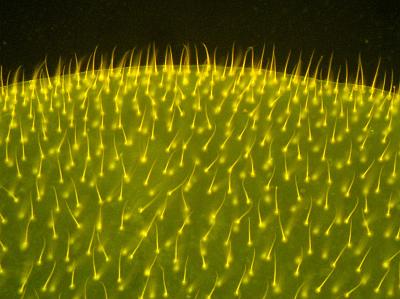
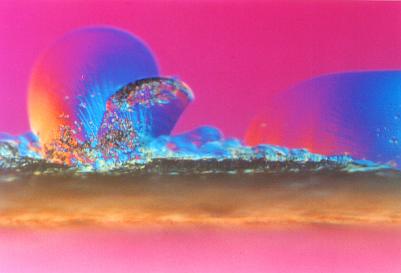
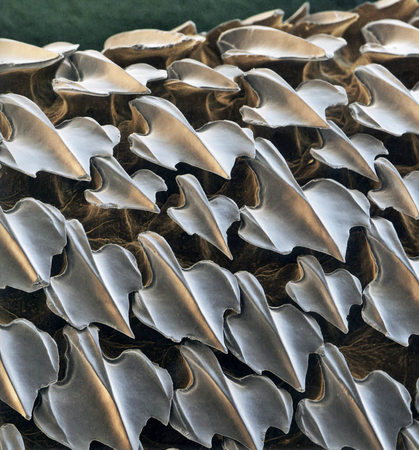
Sizinle paylasmak istedigim bu fotograflarin neler oldugunu tahmin edebilecek misiniz?

Fasziniert von diesen Fotos, möchte ich sie gerne mit euch teilen, aber nicht gleich verraten, was es sein könnte, das soll eure Fantasie etwas anregen 😉

Vielleicht können wir hier an dieser Stelle noch weitere schöne Fotos aus der Mikrofotografie sammeln und zusammen teilen.

Fascinated from this photos, I want to share with you, but without telling immediately what it shows, this is good for your phantasy 😉

Maybe you also can find amazing pictures of micro pics, we can share together.

Extreme and comic sports ;-)

Adam Christian rode his bicycle backward over 60 km in 5 hours playing on his violin 🙂

Two young guys from England had this idea from extreme ironing. They had no fun ironing by sunshine in the house, so they decided to go out for this job and they did it in the most unusual places like the desert, top of mountains or in canoes.

More and more people followed doing this, so the 1. World Cup of Extreme Ironing was born and took place in Munic 😉

Headbalancing

John Evans is a legendary headbalancing strongman, who has delievered his own brand of unique entertainment over the pass two decades. He has astounded thousands of people. Incredibly, he balances immensely heavy objects, including cars, on his head.

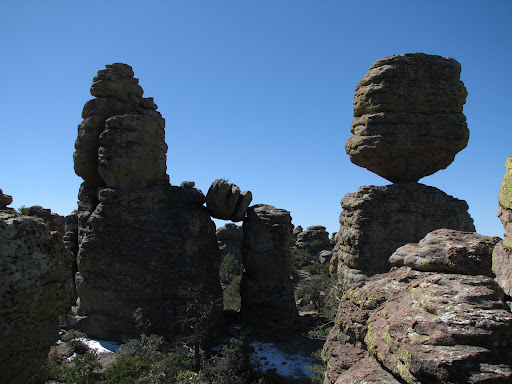
Erozyonun Sanatı

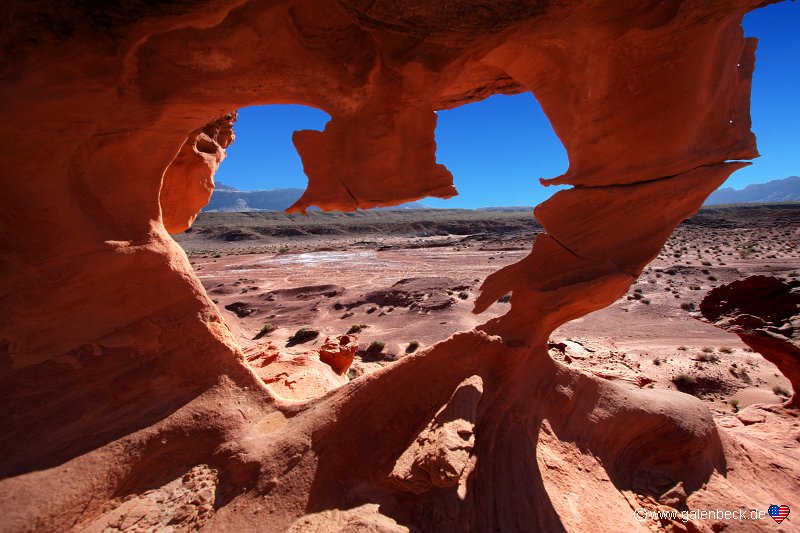
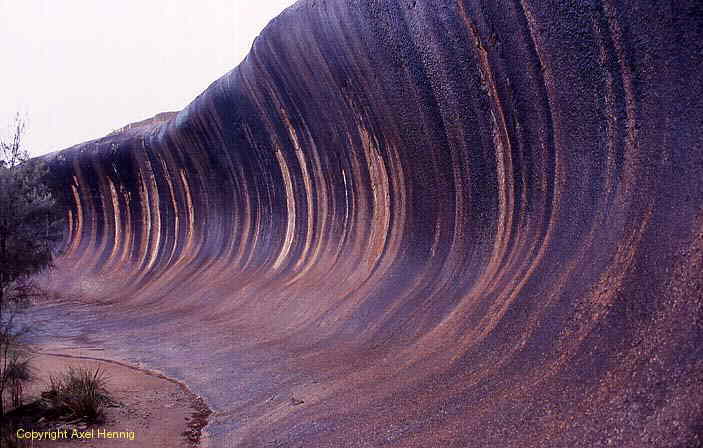
Sculptures and Art of erosion, formed from earth itself, sometimes together formed with human hands – especially in Kapadokia- will be found all over the world. Wind and water create stonetrees, hearts, waves and fascinating abstract sculptures and pictures in beautiful colours. What a great artist earth is!

Devils Marbles

Southwest, USA

Canada………………………………….Colorado sandstone erosion

Egypt, Farafra

Sinai

Wave Rock, Australia

Bolivia

City of Rocks, USA

NASA’s Kepler mission

In February 2011 NASA’s Kepler mission has discovered its first Earth-size planet candidates and its first candidates in the habitable zone, a region where liquid water could exist on a planet’s surface. Five of the potential planets are near Earth-size and orbit in the habitable zone of smaller, cooler stars than our sun.

This artist’s conception shows the Kepler-11 planetary system and our solar system from a tilted perspective to demonstrate that the orbits of each lie on similar planes. (Credit: NASA/Tim Pyle)

Kepler, a space telescope, looks for planet signatures by measuring tiny decreases in the brightness of stars caused by planets crossing in front of them. This is known as a transit.

Since transits of planets in the habitable zone of sun-like stars occur about once a year and require three transits for verification, it is expected to take three years to locate and verify Earth-size planets orbiting sun-like stars.

The Kepler science team uses ground-based telescopes and the Spitzer Space Telescope to review observations on planetary candidates and other objects of interest the spacecraft finds.

Candidates require follow-up observations to verify they are actual planets. Kepler also found six confirmed planets orbiting a sun-like star, Kepler-11. This is the largest group of transiting planets orbiting a single star yet discovered outside our solar system.

“In one generation we have gone from extraterrestrial planets being a mainstay of science fiction, to the present, where Kepler has helped turn science fiction into today’s reality,” said NASA Administrator Charles Bolden. “These discoveries underscore the importance of NASA’s science missions, which consistently increase understanding of our place in the cosmos.”
Spiralen in der Natur und Galaxy Zoo

Spiralen in der Natur sind überwiegend linksdrehend. Zum Beispiel hat nur eine von 10 000 Weinbergschnecken ein rechtsdrehendes Schneckenhaus. Auch bei der Untersuchung von Spiralgalaxien fand man heraus, dass mehr als die Hälfte linksdrehend ist. Gibt es dafür eine Erklärung?

Im Internet gibt es ausserdem eine interessante Seite mit Hubble-Fotos von Galaxien, die mit der Hilfe von Laien klassifiziert werden sollen:

Galaxy Zoo, where you can help astronomers explore the Universe

 <img src="http://weltall.the-lions.org/Untern/O_Galaxien/galaxienhaufen.jpg" width="350" height="250" alt="" />

Galaxy Zoo: Hubble uses gorgeous imagery of hundreds of thousands of galaxies drawn from NASA’s Hubble Space Telescope archive. To understand how these galaxies, and our own, formed we need your help to classify them according to their shapes — a task at which your brain is better than even the most advanced computer. If you’re quick, you may even be the first person in history to see each of the galaxies you’re asked to classify.

More than 250,000 people have taken part in Galaxy Zoo so far, producing a wealth of valuable data and sending telescopes on Earth and in space chasing after their discoveries. The images used in Galaxy Zoo: Hubble are more detailed and beautiful than ever, and will allow us to look deeper into the Universe than ever before. To begin exploring, click the ‘How To Take Part’ link above, or read The Story So Far to find out what Galaxy Zoo has achieved to date.

http://www.galaxyzoo.org/